Past periods of drought have shown us that even the forests of Lower Saxony are not spared the effects of climate change. It is therefore all the more important to delve deeper into the subject and investigate how climate change-related disturbances such as drought, heat, storms or fires affect forests and society in Lower Saxony. One of the great things about forests – amongst many others – is that they possess their own natural adaptive capabilities! But how exactly do they adapt to changes caused by climate change, and how can strategies and concepts for effective forest management be derived from this? These are the questions being addressed by the DIVERSA project, in which Prof. Dr Sylvia Haider, Prof. Dr Andreas Fichtner and PhD students Luzie Glock and Victhor Teixeira from our Institute of Ecology are working.
To give you a clearer picture of this project, we’ll need to delve into its background story briefly …
The protagonists: Lower Saxony, forests and climate adaptation
„DIVERSA“… What does that actually mean? The project name derives from “Forest disturbances under climate change in Lower Saxony: Understanding drivers and impacts to enhance forest adaptability”.
What is being investigated: How is climate change affecting our forests in Lower Saxony? What are the drivers and impacts, and how can the resilience of deciduous forests be improved? As one of five Climate Future Labs run by the Lower Saxony Centre for Climate Research, DIVERSA brings together interdisciplinary and transdisciplinary research on climate change and its consequences with partners from the forestry sector and civil society. Since the project was launched in 2025, many dedicated people have been working on sub-projects with different areas of focus. On the one hand, the aim is to understand just how vulnerable Lower Saxony’s forests actually are to climate-driven disturbances. At the same time, the perspectives of forest owners and the public are being taken into account in order to develop participatory decision-making processes for climate-adapted forest management. To complete the overall picture, it is also important to investigate the resistance and resilience of forest ecosystem functions, as well as the role of biodiversity – both in terms of their response to climate change and as the basis for the adaptability of forests. And this is precisely where the researchers from Leuphana’s Institute of Ecology come in!
Infobox: Resistance vs. resilience – what’s the difference?
Not to be confused with one another: In this context, resistance describes how well a forest withstands climatic stresses such as heat and drought – in other words, the extent to which its structure and functions are affected by them. Resilience, on the other hand, goes a step further and describes the forest’s ability to recover after a period of stress and to restore its essential functions. A resistant forest is only slightly affected by heat and drought stress; a resilient forest can recover after a period of stress and maintain its essential functions.
What are our ecologists working on?
How do trees respond to the increasing frequency and intensity of extreme weather events, and what characteristics determine their resilience to drought and heat? The answer to this question is of central importance for predicting changes in forest structure and function, and is therefore also the central theme of sub-project 3, in which our researchers are involved.
The focus is on the functional characteristics of trees, in particular the properties of their water transport system and leaves, which play an important role in drought and heat tolerance. To date, little is known about how forest management and site conditions shape these characteristics and how this results in differences in trees’ sensitivity to climatic stresses. The sub-project therefore investigates how various tree species relevant to forestry respond to heat and drought in managed and unmanaged deciduous forests. The aim is to gain a better understanding of the causes of their varying climate sensitivity and thus to establish a scientific basis for the selection of suitable tree species and for climate-adapted forest management.
How do our ecologists work?
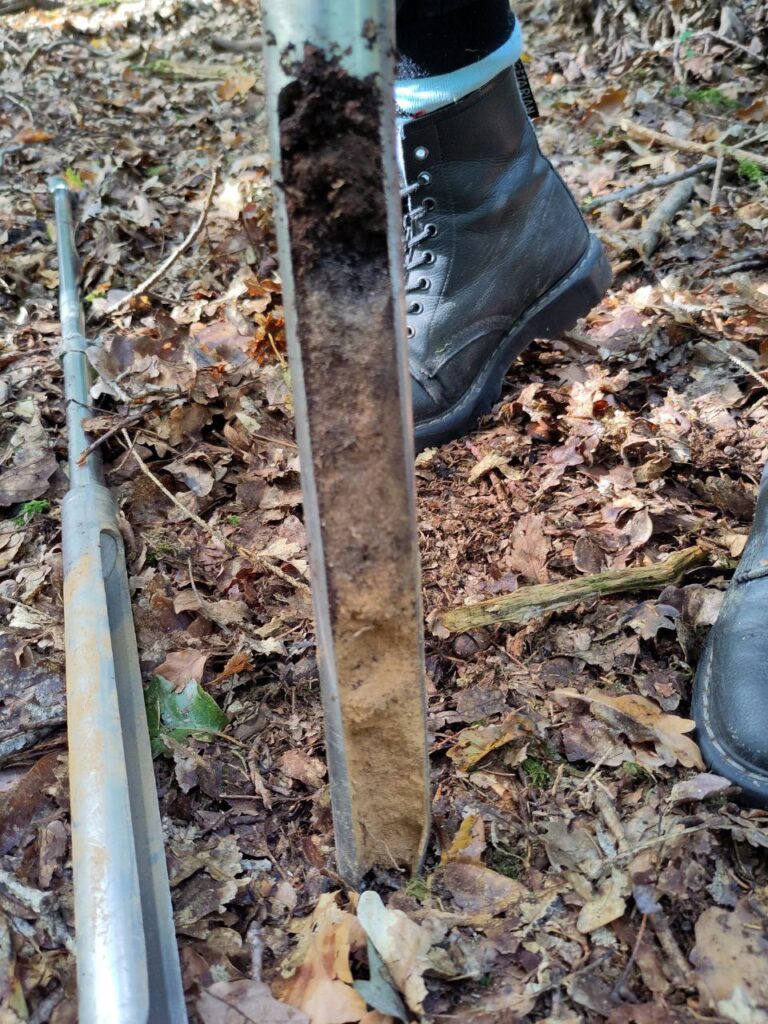
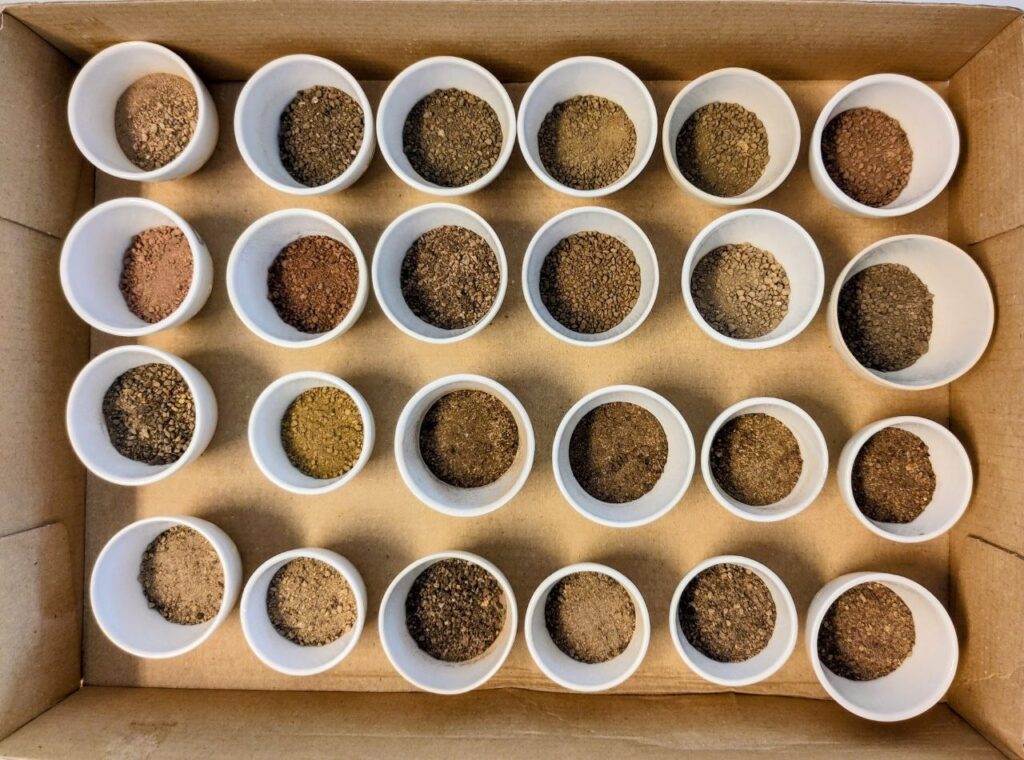
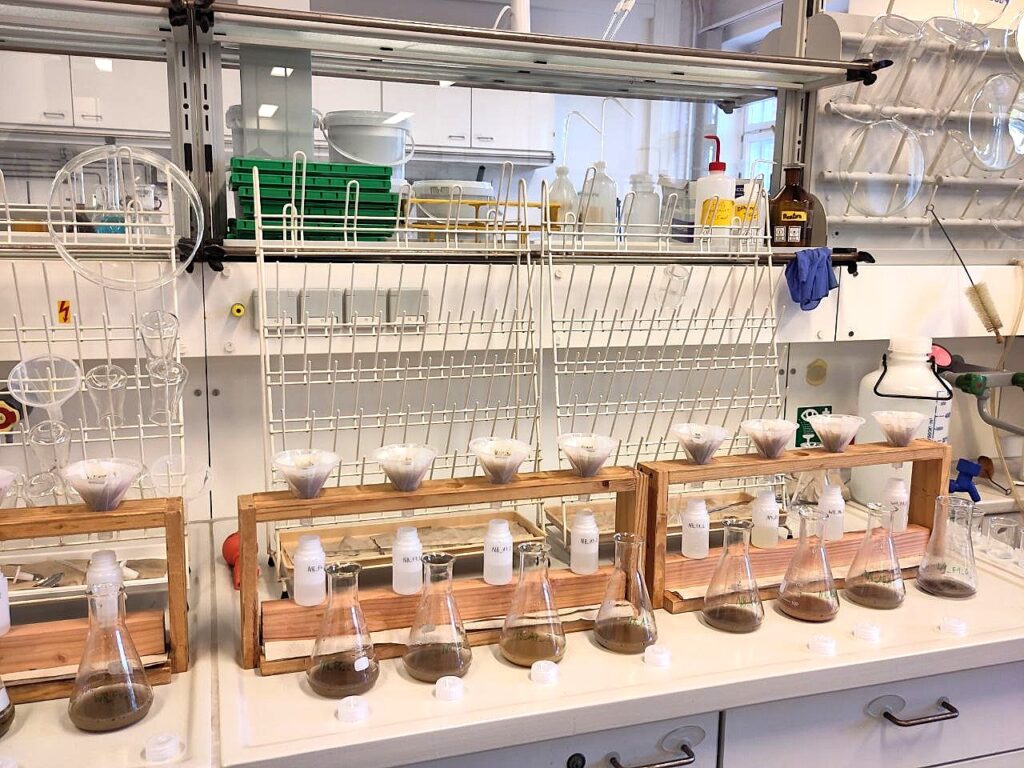
To achieve this aim, the research team is conducting observational studies in various forests in Lower Saxony. In managed and unmanaged deciduous forests, leaves, branches and soil are analysed and climate data are evaluated in order to understand the influence of site conditions and forest management on the climate sensitivity of trees. The researchers measure functional characteristics of leaves and branches in the samples that are important for trees’ response to heat and drought. These include leaf properties – such as their anatomy, chemical composition and heat tolerance – as well as characteristics of the water transport system.
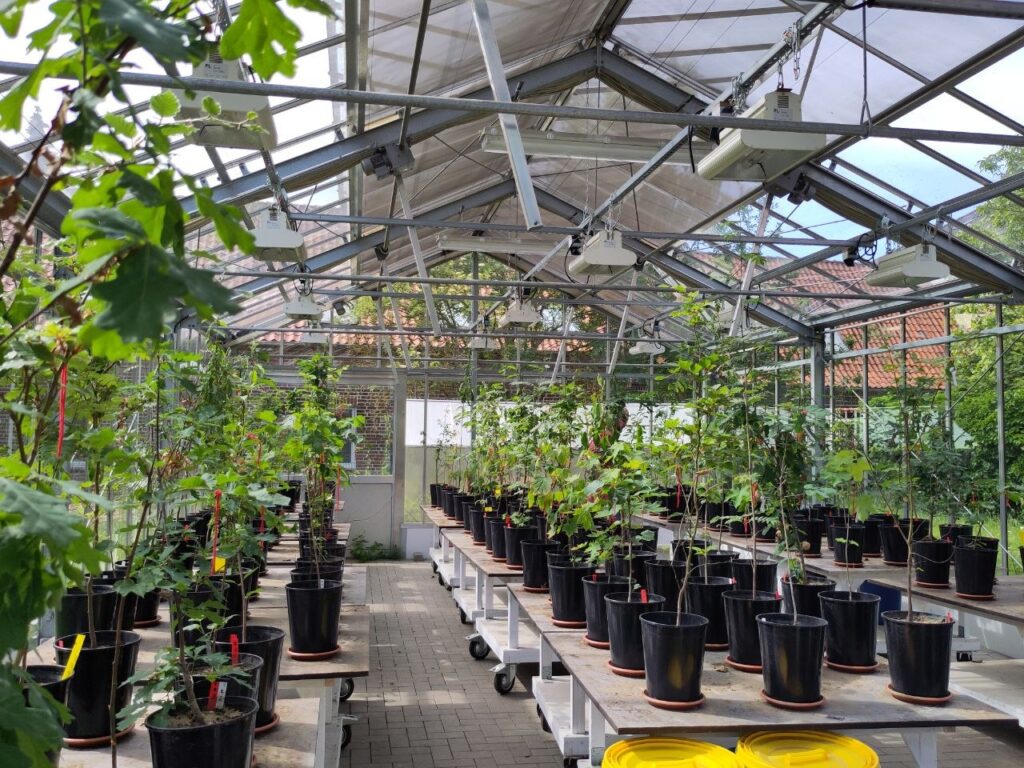
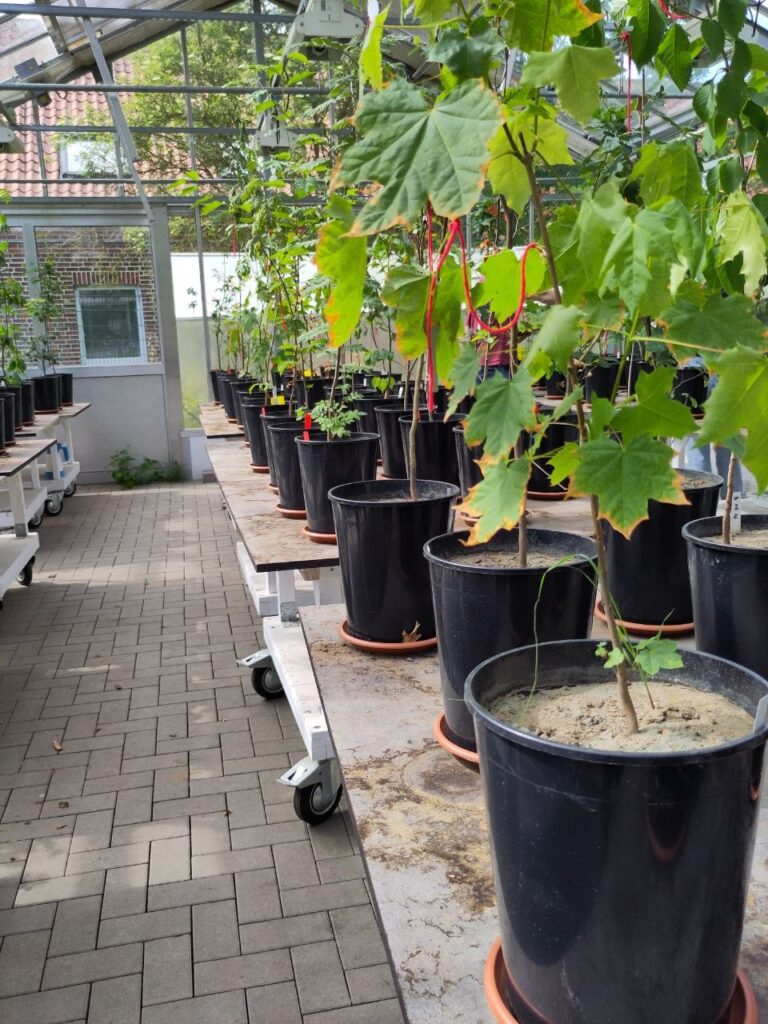
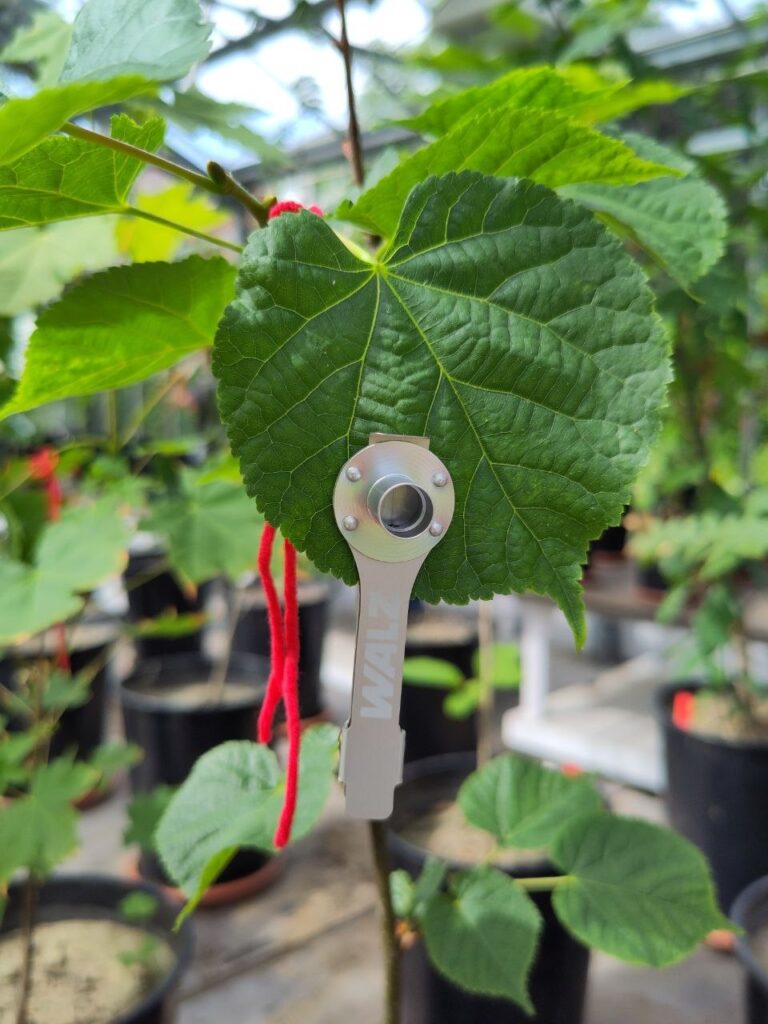
In addition, the structure of the trees is recorded using laser scanners and tree-ring cores are extracted in order to track the trees’ growth over many years. This enables the investigation of relationships between climatic conditions, tree characteristics and growth. On top of all this, greenhouse experiments are being carried out to investigate the effects of drought and heat stress, as well as nitrogen inputs, on the growth and functional characteristics of trees. Under controlled conditions, the individual influencing factors can be specifically varied and their effects examined in isolation from one another. This enables a better understanding of the interactions between nitrogen inputs and climatic stresses.
Infobox: Functional traits of trees
Functional traits are measurable characteristics of trees that influence how a tree grows, reproduces and survives, and thus reflect both its response to environmental changes and its impact on ecosystem processes. These include, for example, specific leaf area, which allows conclusions to be drawn about growth and resource-use strategies, or properties of the water-conducting vessels in the wood, such as their diameter and density. These traits influence how efficiently water can be transported within the tree and how vulnerable the water transport system is to drought stress. Such characteristics help us to understand why tree species react differently to drought and heat.
Not quite sure what this research process looks like? Don’t worry! The following photo gallery should shed some light on the matter.
A view behind the scenes
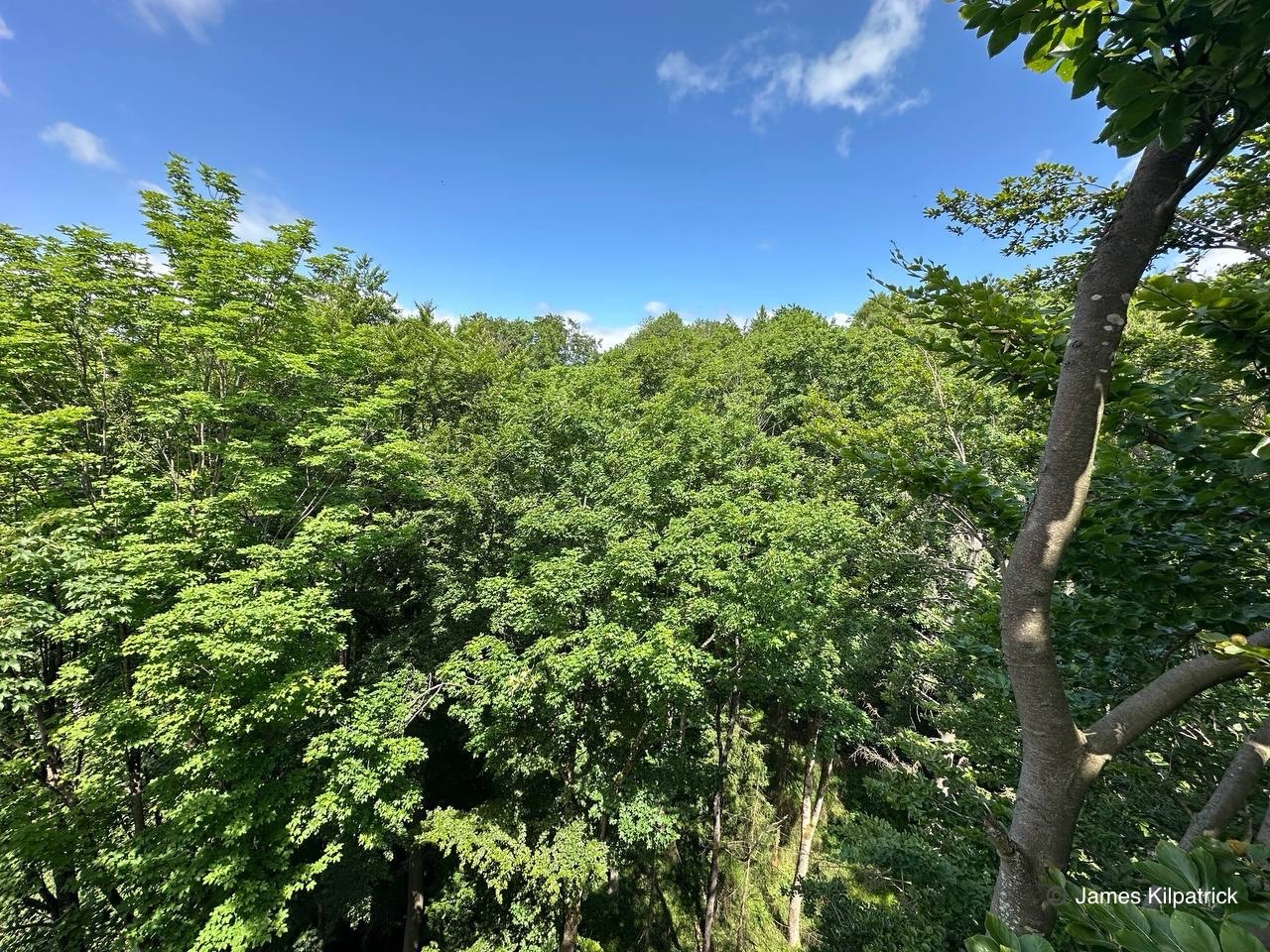
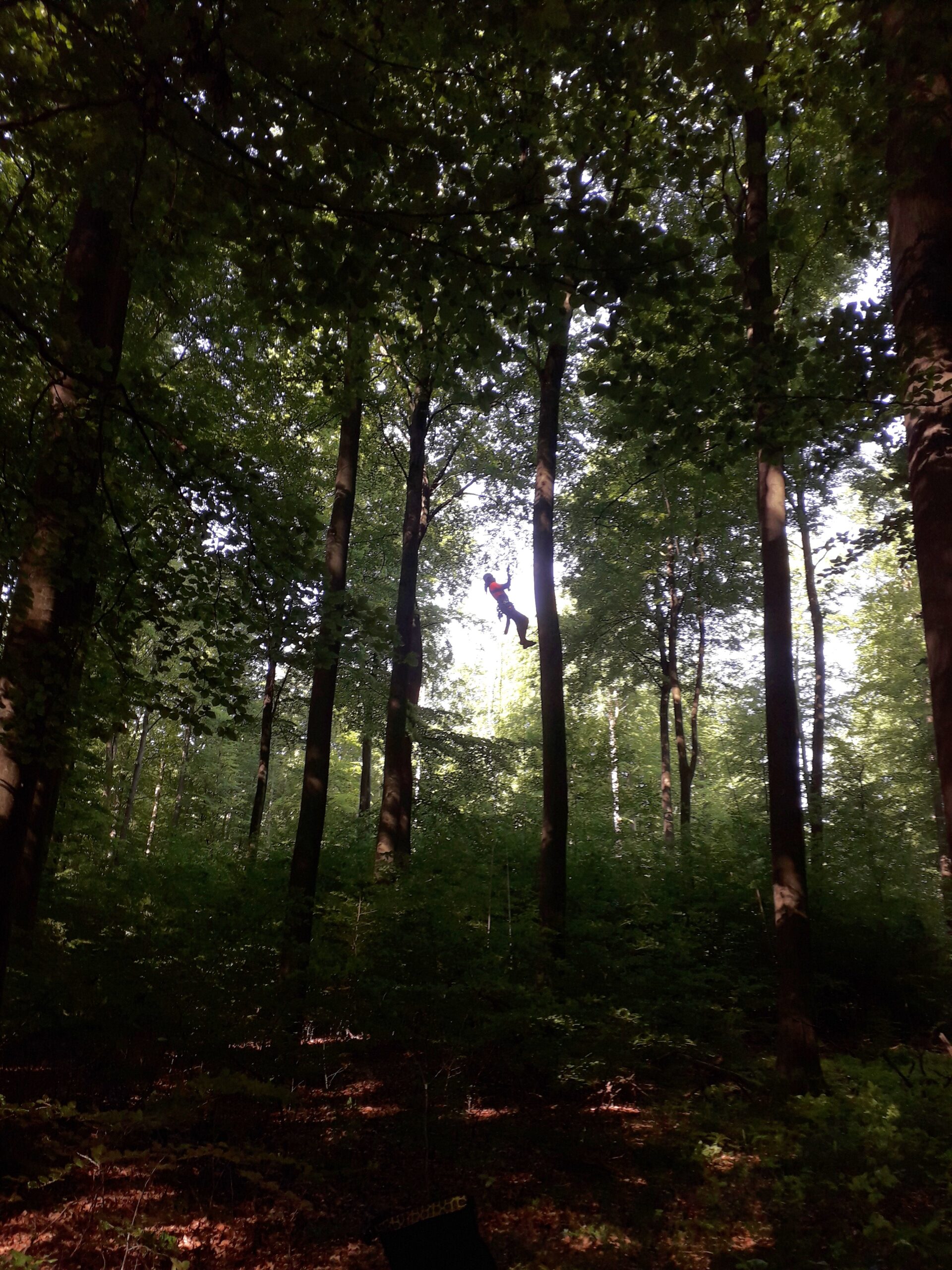
Off to the woods – and up into the heights!
In order to analyse the variability of the entire sample, professional tree climbers collect leaf and branch samples from different parts of the crowns of mature trees:
But also on the ground there is much work to do
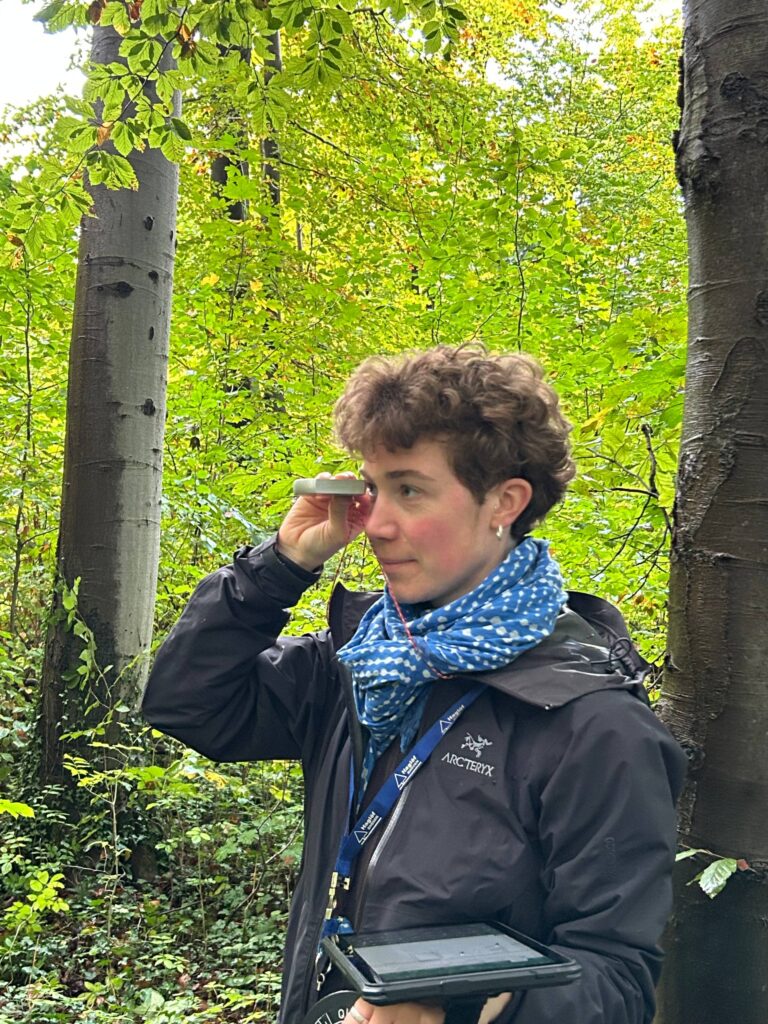
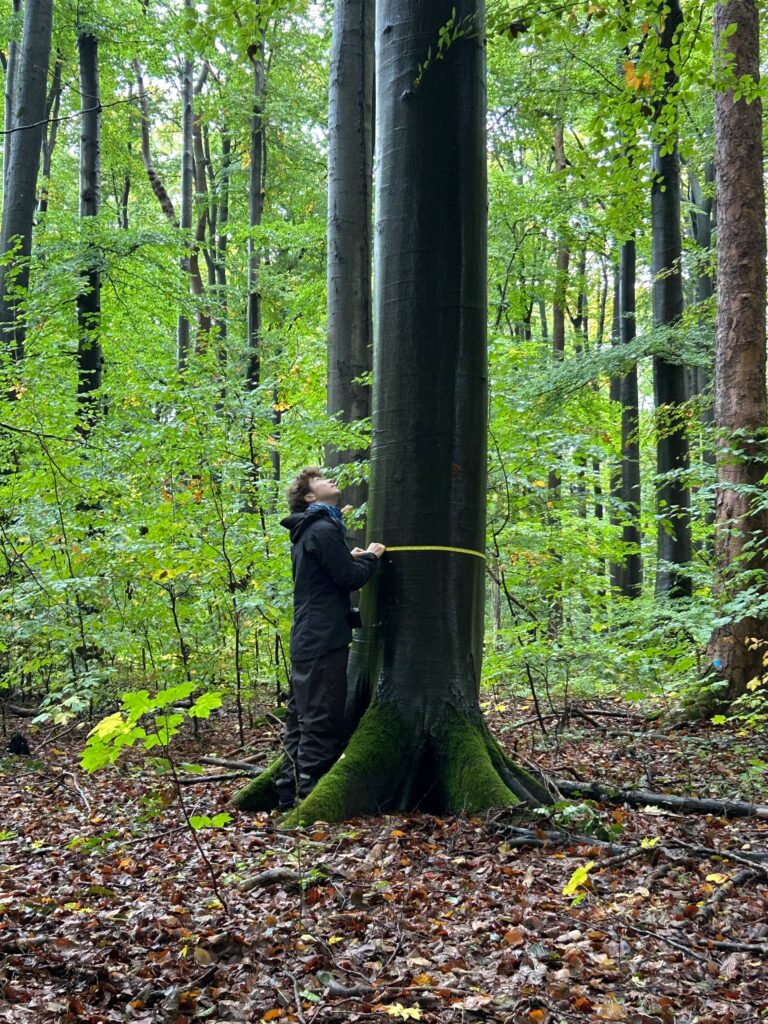
For this, the researchers examine the immediate surroundings of all the target trees sampled in order to characterise the intensity of competition and the neighbourhood structure. Among other things, they record the circumference, species and vitality of all neighbouring trees, as well as standing and fallen deadwood. This enables them to investigate how the structural complexity of the forest influences the response of individual trees to climatic stresses:
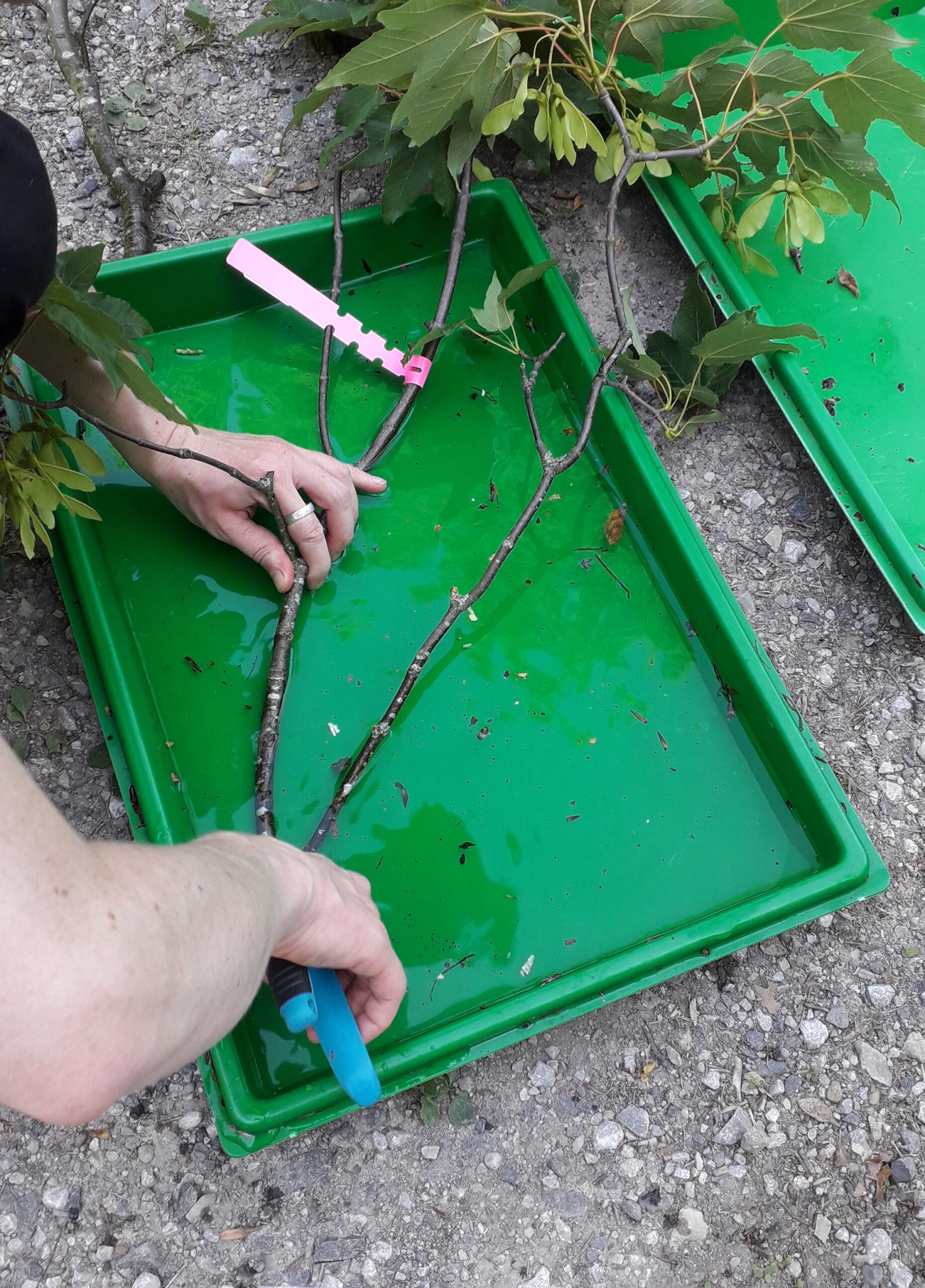
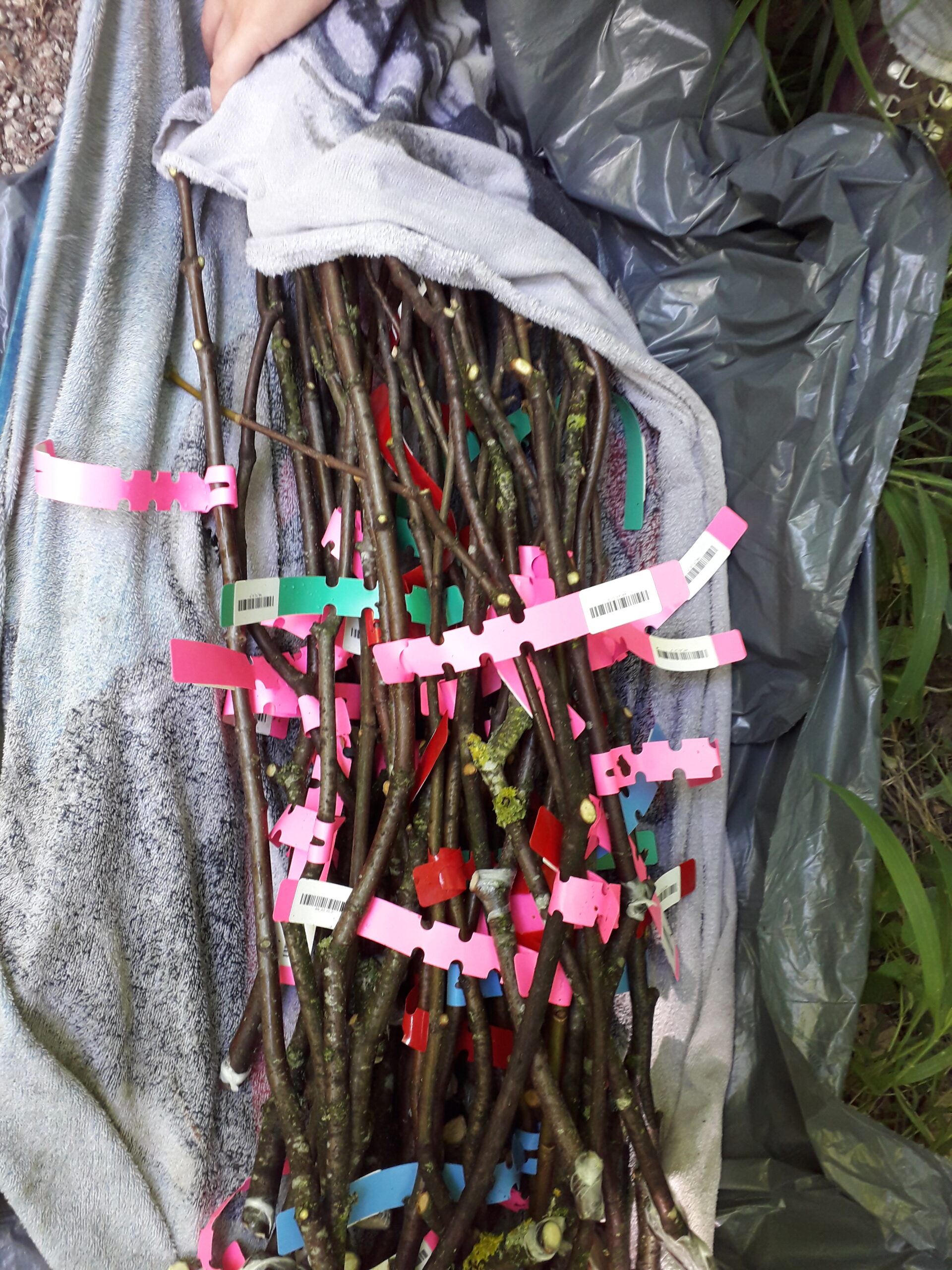
Sampling of leaves and branches
Using the samples, the researchers are investigating how the variability of functional traits differs between trees in managed and unmanaged forests.
Back in the lab: photosynthesis and heat – how do they go together?
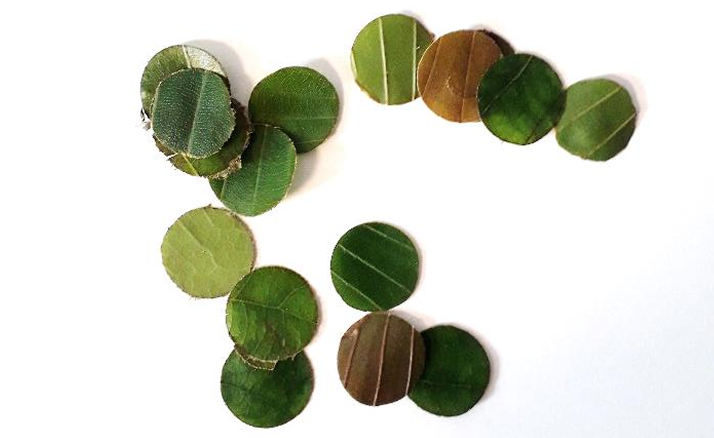
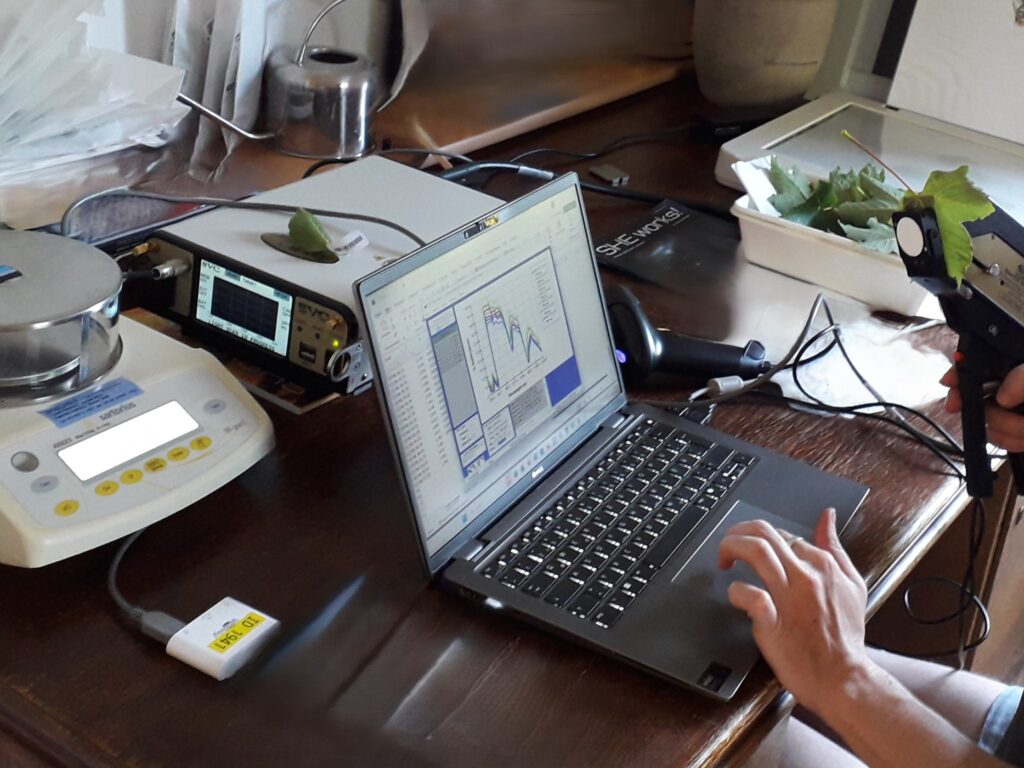
To find out how heat-tolerant leaves are, they are briefly exposed to different temperatures in water baths. The extent to which photosynthesis has been impaired is then measured. This makes it possible to determine the temperature at which the leaves’ function begins to decline significantly.

Plant stress detection
across many leaves. © Luzie Glock
Under the microscope
The researchers also measure the density and size of the sampled plants’ water uptake, transport and regulation systems.

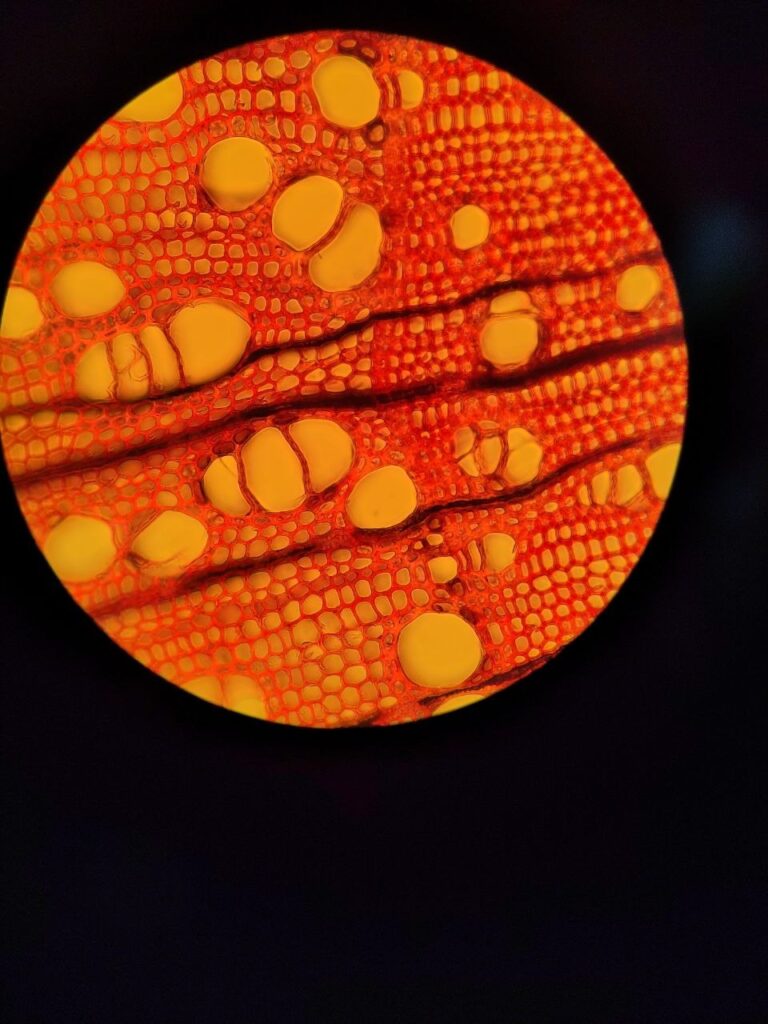
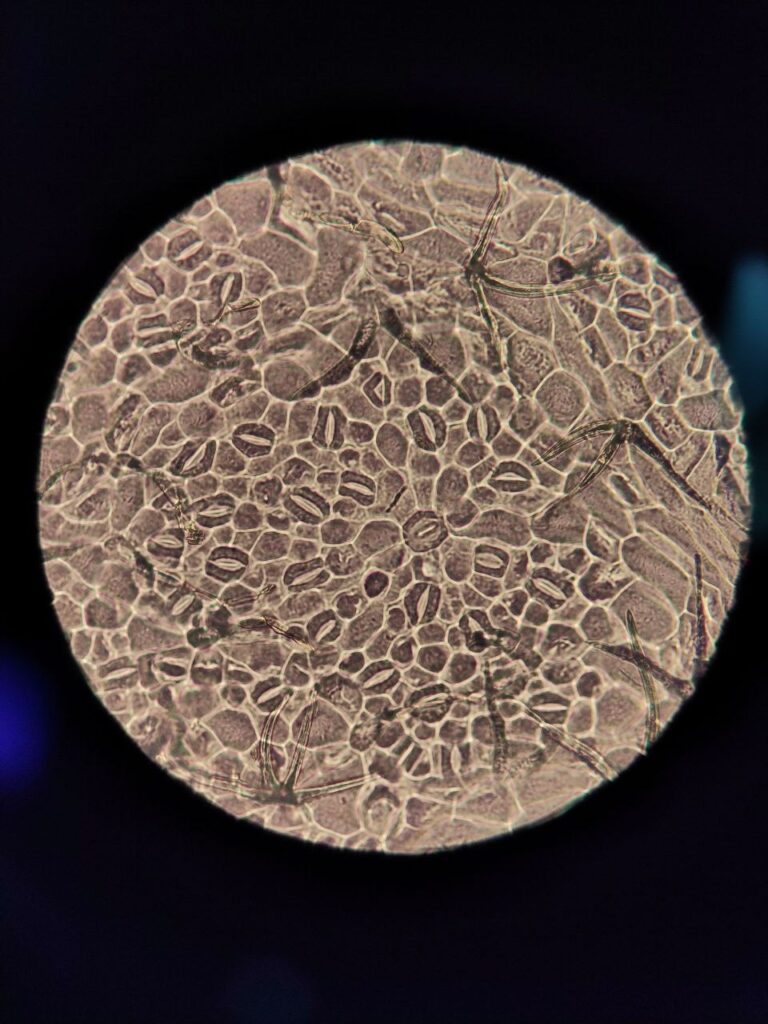
Middle: Cross-sectional view of a branch of Acer pseudoplatanus, showing xylem vessels – the plant’s water transport system, at 400 × magnification. Right: Imprint of the lower leaf surface showing stomata, which regulate water loss, at 400× magnification. © Luzie Glock
From belowground
The grand finale: the greenhouse experiments
Now that you know what’s going on behind the scenes…
…all that’s left for us to do is to be patient for a while, until we find out how the forests in Lower Saxony are responding to the drought and what management strategies can be developed as a result. But we’ll hear more about the project next year at the latest, when DIVERSA publishes its first interim findings.
Until then, do pop over to DIVERSA or have a browse through our blog. If you don’t want to miss any new articles, why not sign up for the newsletter to receive an email notification whenever new articles are published? You’ll find the sign-up form at the very bottom of this page.