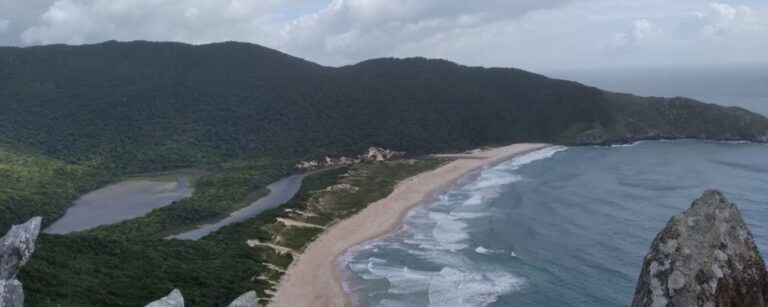
Digging for answers: what happens underground when we remove invasive species?
When people think about restoring nature, they usually look at what is happening above the ground. They ask questions like “Are the native plants coming back?” or…
When people think about restoring nature, they usually look at what is happening above the ground. They ask questions like “Are the native plants coming back?” or…
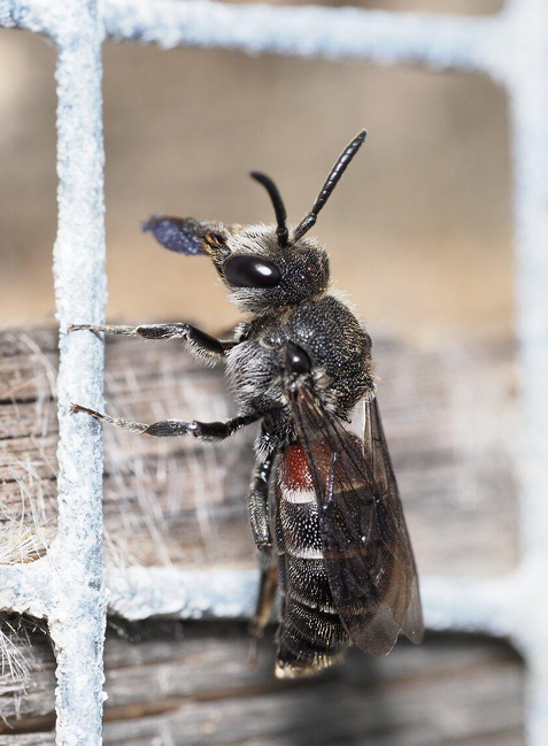
What happens when a large number of experts join forces to improve our understanding of the distribution of wild bees in Lower Saxony? Not only are species…
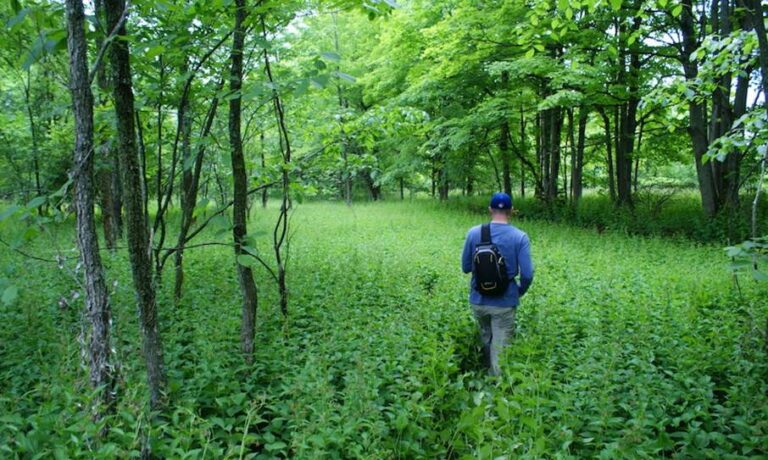
We all know about the impacts of rising atmospheric carbon dioxide for global warming, as well as of the spread of invasive species. Looking at the fact…
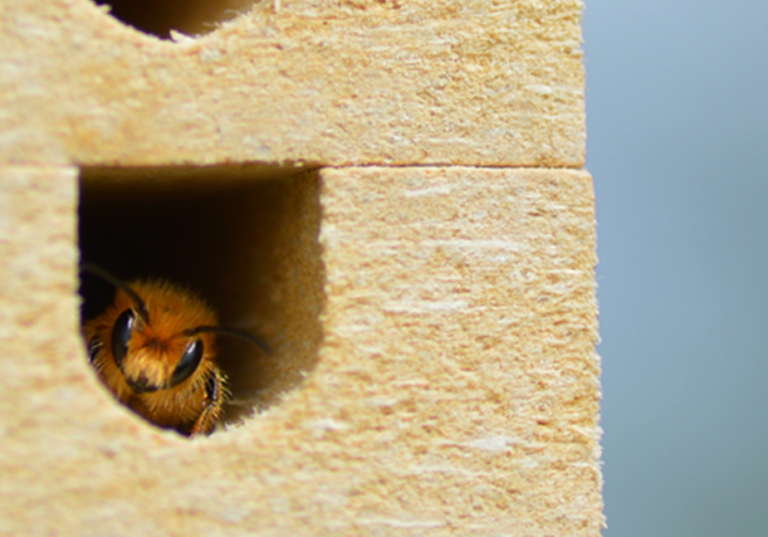
In spring 2026, it came out – the fully revised new edition of the identification key for wild bees and wasps in nesting aids, published by the…
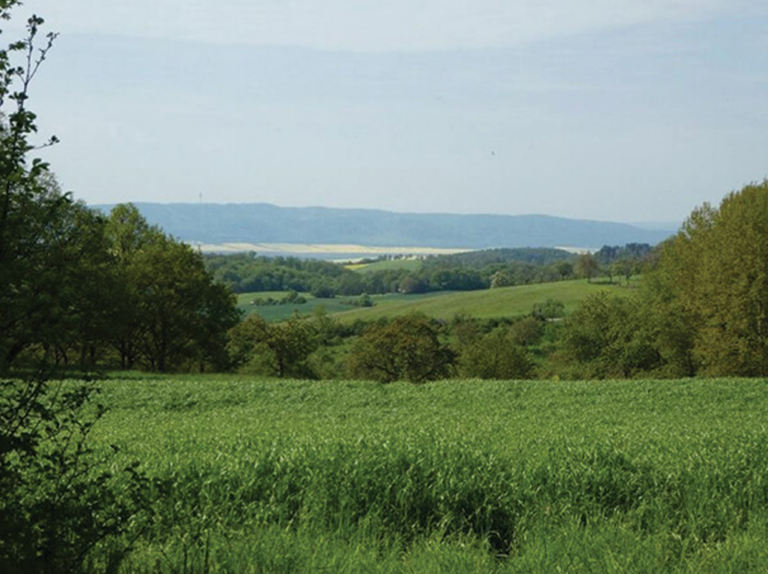
Reconnecting people with nature is a key step forward amid increasing biodiversity loss and climate change. Grassland restoration offers a promising pathway towards achieving this. As Gray…

Past periods of drought have shown us that even the forests of Lower Saxony are not spared the effects of climate change. It is therefore all the…
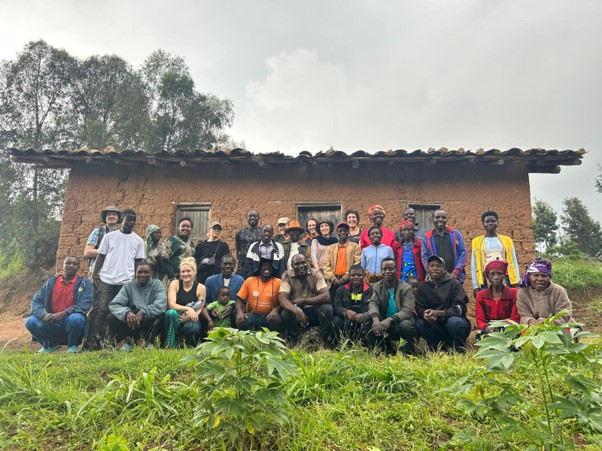
“If you want to go fast – go alone. If you want to go far – go together.” – origin unknown, often attributed to an African proverb…
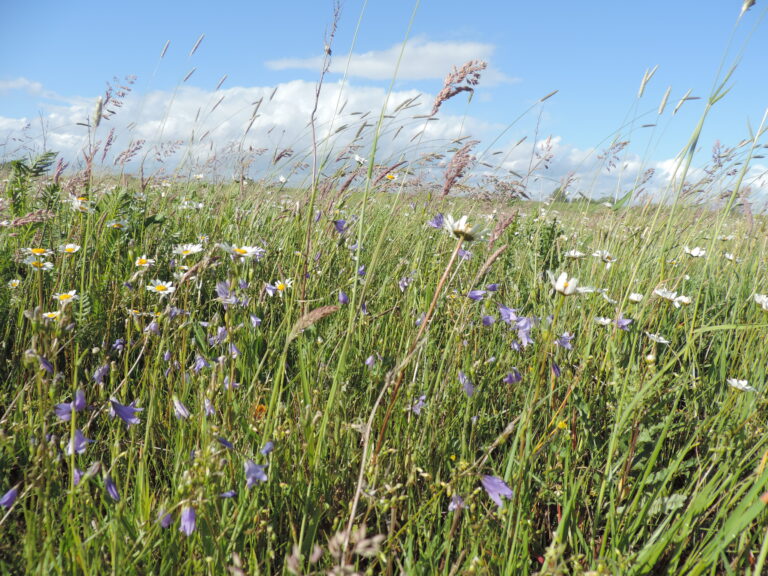
You are a researcher, conservationist, or a grassland-enthusiast with any kind of background and wish that there was a road map on how to successfully restore grasslands?…

Did you know that members of our Institute of Ecology have been part of an international research team of the worldwide largest biodiversity experiment, researching tree diversity…
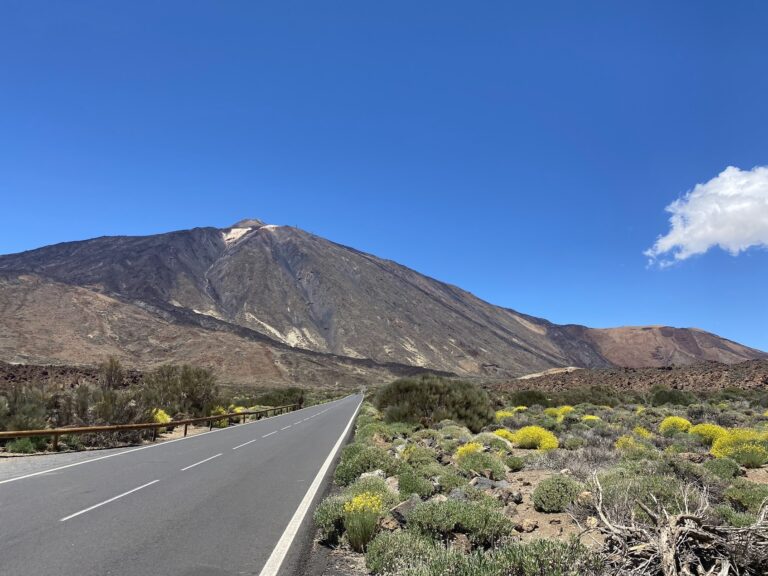
In times of global change and novel ecosystems, assessing the impact of non-native species spread on the diversity of native plant communities has become more relevant than…